2026-10-24 ·
Preparing Your Furnace for Milwaukie’s Damp Winter Months
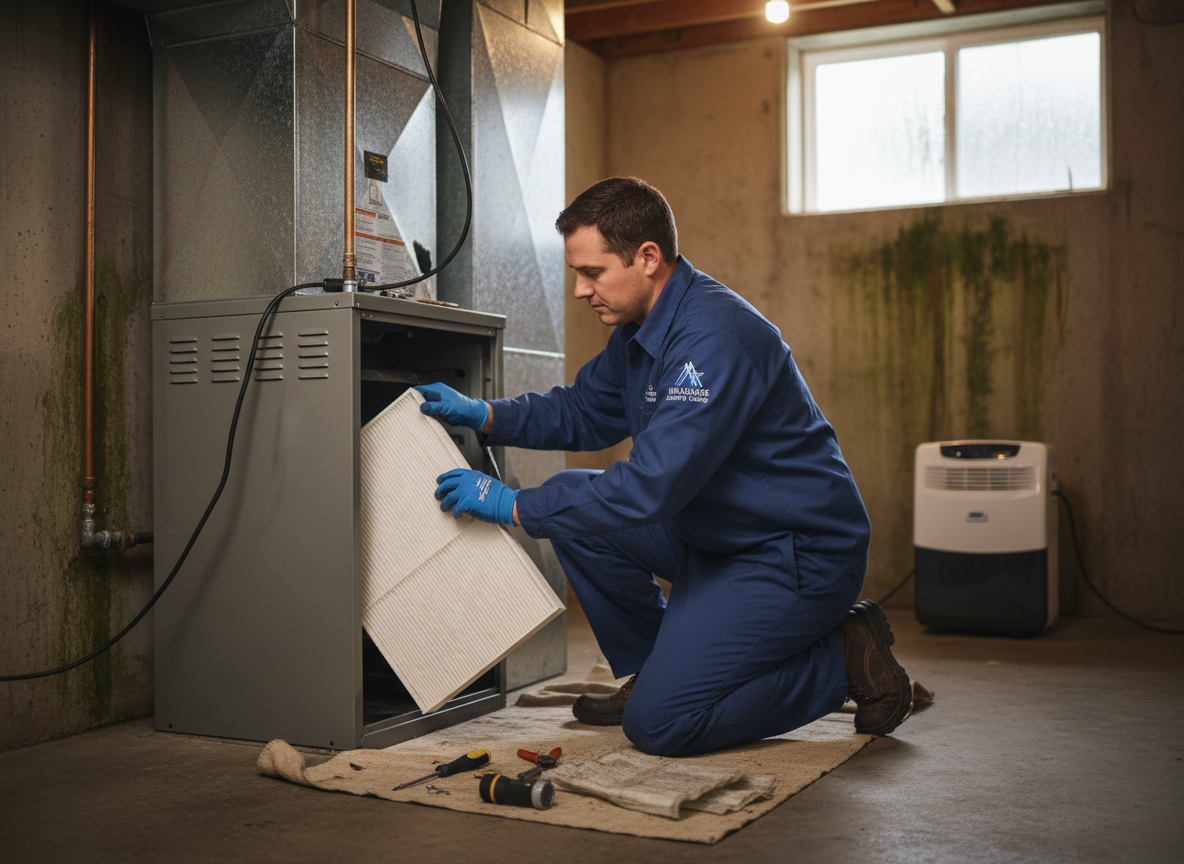
Milwaukie’s mild wet winters demand furnace preparation focused on moisture control, starting with a full inspection of the heat exchanger and blower assembly before temperatures drop below 40°F. Homes in Downtown Milwaukie and Island Station often feature older ductwork that collects condensation from the nearby Willamette River, leading to rust if left unchecked. ThermalBridge Comfort at 4160 SE International Way D107 operates 24/7 to handle these local conditions.
Impact of Milwaukie’s Wet Winters on Furnaces
Clackamas County experiences prolonged damp periods that increase indoor humidity levels, forcing furnaces to work harder against condensation buildup inside cabinets and on metal components. In areas such as Hector Campbell and Ardenwald, many homes built before 1970 have single-wall vents that corrode faster when exposed to persistent moisture from the Willamette River. This environment shortens component life by encouraging scale on burners and limiting airflow through dirty filters. Local terrain near the river also creates microclimates where fog lingers, raising the risk of pilot light issues or limit switch trips. Residents in these neighborhoods notice higher energy use when furnaces cycle inefficiently due to damp conditions. Addressing these factors early prevents mid-winter breakdowns common in Portland-adjacent homes.
Steps for Seasonal Furnace Preparation
Begin by replacing the air filter every 30 days during the wet season to maintain proper airflow in homes with older insulation common throughout Milwaukie. Next, clear debris from the outdoor intake and check the condensate drain line for clogs caused by river-area humidity. Inspect the blower motor and lubricate bearings if the unit is an older model still common in Historic Milwaukie. Test the thermostat calibration to ensure it responds accurately when outdoor temperatures hover in the 30s. Homeowners should also verify that return air grilles remain unobstructed to avoid pressure imbalances that worsen in damp crawl spaces. These actions reduce strain on the system during extended wet spells. For comprehensive checks, schedule winter furnace tune-up before the first cold snap arrives.
Addressing Moisture-Related Issues in Local Homes
Furnaces in Milwaukie attics and crawl spaces face accelerated wear from standing moisture that seeps through foundations near the Willamette River. In neighborhoods like Ardenwald, duct joints often develop leaks that allow humid air to enter the system, promoting mold growth on insulation. Regular furnace maintenance includes sealing these joints and adding insulation wraps suited to the area’s climate. Homeowners should monitor for yellow flames or frequent cycling, both signs of moisture interference with combustion. Checking the humidifier pad, if equipped, prevents mineral buildup that compounds during wet months. These targeted steps keep systems running efficiently without the added load from local weather patterns. See related guidance in Seasonal Ductwork Issues in Milwaukie Attics and Crawl Spaces for deeper attic-specific advice.
Knowing When Professional Service Is Needed
Persistent issues such as unusual odors or uneven heating across rooms in Clackamas County homes signal the need for expert diagnosis rather than DIY attempts. Systems older than 15 years, prevalent in Island Station and near Milwaukie Riverfront Park, benefit from professional assessment of heat exchanger integrity before winter peaks. ThermalBridge Comfort provides 24/7 response for emergencies stemming from damp-induced failures. Technicians familiar with Portland-area housing stock can identify problems like corroded flue pipes that develop quickly in this climate. Scheduling service early avoids the rush once temperatures fall consistently. This approach ensures safe, reliable operation tailored to Milwaukie’s specific environmental demands.